Floral Preservation Made Easy with These 3 Techniques
Posted on 17/08/2025
Floral Preservation Made Easy with These 3 Techniques
Have you ever received a stunning bouquet, only to watch its beauty fade away? Many of us wish to keep the memory and elegance of our favorite flowers alive for months or even years. The good news is floral preservation can be both simple and effective! In this comprehensive, SEO-optimized guide, you'll discover three incredible techniques for preserving flowers at home. Learn how to cherish special moments and create lasting mementos with these easy, accessible methods.
Table of Contents
- Why Preserve Flowers?
- Technique 1: Air Drying Flowers
- Technique 2: Pressing Flowers
- Technique 3: Silica Gel Flower Preservation
- Expert Tips for the Best Floral Preservation Results
- Creative Ideas: How to Use Preserved Flowers
- Frequently Asked Questions about Floral Preservation
- Final Thoughts on Easy Flower Preservation
Why Preserve Flowers?
Flowers are nature's most enchanting gifts, symbolizing love, celebration, and cherished memories. Preserving flowers extends their life and lets you relive those special moments -- be it a wedding bouquet, an anniversary gift, or a graduation corsage. Floral preservation also allows for creative home decor, personalized crafts, and meaningful gifts. By keeping your blooms intact, you can enjoy their beauty--and the wonderful memories they represent--for years to come.
Technique 1: Air Drying Flowers
What is Air Drying?
Air drying is one of the oldest, most reliable, and simplest ways to preserve flowers. This time-honored technique works by using natural room air to evaporate moisture from your fresh blooms, leaving you with long-lasting dried flowers. Air drying is especially suited for roses, lavender, statice, baby's breath, and most wildflowers.
Step-by-Step Guide: How to Air Dry Flowers
- Choose Fresh Flowers: Begin with flowers at their peak. Look for blooms just beginning to open, as mature flowers may lose their petals during drying.
- Prepare the Stems: Remove extra leaves and use clean, sharp scissors to trim the ends of each stem.
- Arrange in Small Bunches: Gather flowers in small groups (4-6 stems), tying each bunch tightly with a rubber band or string.
- Hang Upside Down: Suspend the bunches upside-down in a dark, well-ventilated, and dry space. Popular locations include closets, attics, or unused cabinets.
- Wait Patiently: Let the flowers dry for 2-4 weeks. Flowers are ready when stems snap (rather than bend) and petals feel papery.
- Protect Your Dried Flowers: Once fully dry, spritz lightly with hairspray to help maintain their shape and prevent shedding.
Benefits of Air Drying Flowers
- Easy and Chemical-Free: No special products needed.
- Perfect for Many Flower Types
- Great for Bouquets, Wreaths, and Decor
Pro Tip:
For best results, avoid direct sunlight when air drying, since it can cause colors to fade.
Technique 2: Pressing Flowers
What is Flower Pressing?
The art of pressing flowers dates back centuries. This technique flattens flowers and leaves by applying weight, removing their moisture while preserving shape, vein, and pigment. Pressed flowers are perfect for crafting--use them to make cards, bookmarks, framed art, and more.
Step-by-Step Guide: How to Press Flowers
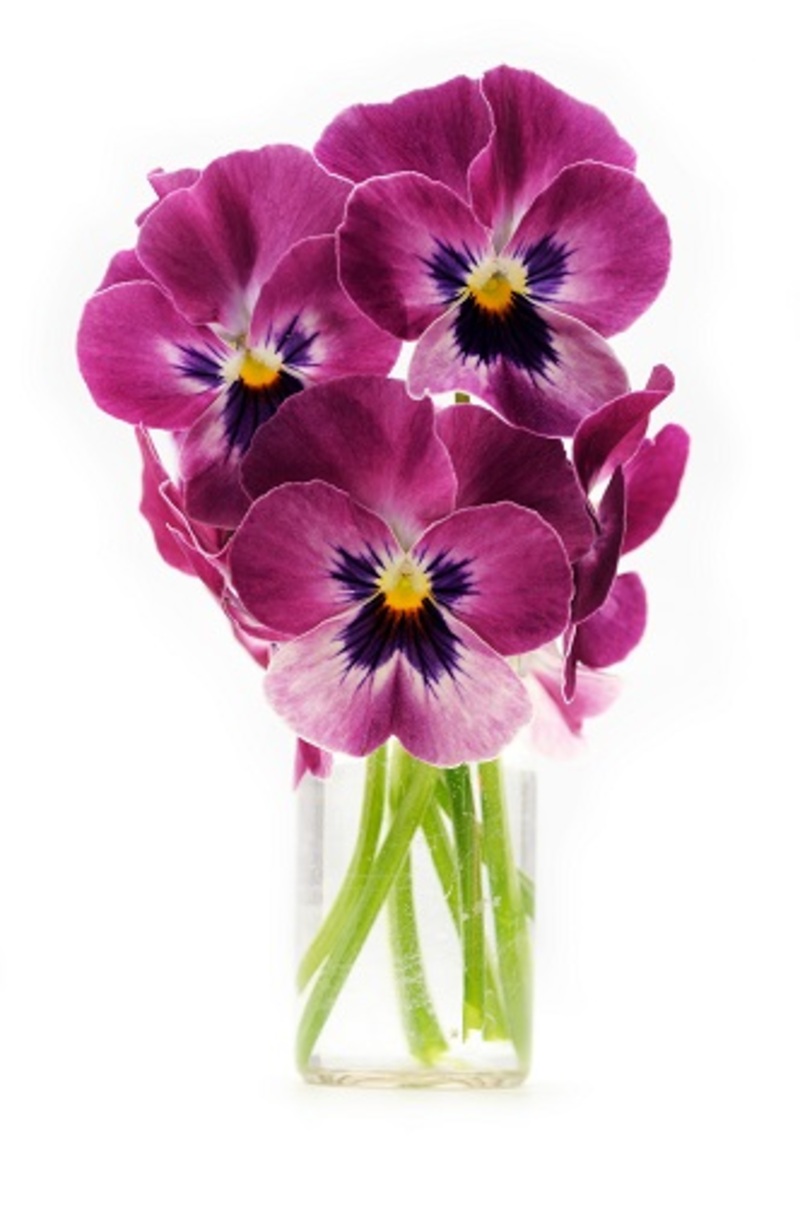
- Select Suitable Flowers: Choose fresh, non-wilted blooms. Single-layer flowers like pansies, daisies, or violets respond best.
- Pre-Dry and Flatten: Gently blot flowers with paper towels to remove surface moisture and arrange petals flat.
- Press with Paper: Place your flowers between two sheets of absorbent paper--parchment, blotting paper, or coffee filters work well.
- Add Even Weight: Slip the paper "sandwich" inside a heavy book or use a purpose-made flower press. Stack more books on top for added weight.
- Let Them Sit: Store in a dry place for 2-3 weeks. Check periodically and change papers if they become damp.
- Reveal and Use: Gently remove pressed flowers and use tweezers to prevent breaking delicate petals.
Pressed Flower Ideas
- Framed art or wall hangings
- Handmade greeting cards and wedding invitations
- Decorated candles and bookmarks
- Scrapbooking enhancements
Pro Tip:
Avoid thick, high-moisture flowers for pressing--stick to flatter, simpler blooms for best results.
Technique 3: Silica Gel Flower Preservation
What is Silica Gel Drying?
Silica gel is a moisture-absorbing crystal that can rapidly dry fresh blooms, retaining their original shape and vibrant color far better than other methods. While more involved than air drying or pressing, this trusted flower preservation method is ideal for roses, dahlias, orchids, and peonies.
Step-by-Step Guide: Using Silica Gel for Flower Drying
- Gather Supplies: You'll need silica gel crystals (often available at craft shops), an airtight container, and your chosen flowers.
- Prep Your Flowers: Cut stems short, remove leaves, and make sure flowers are dry and undamaged.
- Arrange in Container: Pour a layer of silica gel into the container. Nestle flowers face-up and gently pour more silica gel around and over them until fully covered.
- Seal and Wait: Close the container tightly. Most flowers will dry in 2-7 days, depending on thickness and type.
- Carefully Remove: Using a spoon or tweezers, scoop flowers from the gel and gently dust off any crystals.
- Optional: Seal for Longevity: Consider spraying with clear acrylic sealer to help preserve the color and structure.
Advantages of Silica Gel Flower Preservation
- Excellent Color Retention: Maintains vibrant appearance.
- Works For 3D Arrangements: Keeps flowers looking natural and dimensional.
- Reusable Materials: Silica gel can be refreshed and used again.
Pro Tip:
Handle dried flowers carefully--silica gel makes them quite fragile yet stunningly life-like!
Expert Tips for the Best Floral Preservation Results
- Choose the Right Flowers: The fresher and less-wilted, the better your preservation results will be.
- Work Quickly: Begin the preservation process as soon as possible after picking or receiving the flowers.
- Avoid Moisture: Moist environments encourage decay. Keep your workspace dry and use absorbent materials when needed.
- Preserve Separate Varieties: Different flowers dry at different rates--don't mix them in the same batch if using silica gel or air drying.
- Store Properly: Keep preserved flowers out of direct sunlight, drafts, and high humidity to extend their life and colors.
- Experiment: Try combining techniques, such as pressing smaller flowers and air drying larger blooms from the same bouquet.
Creative Ideas: How to Use Preserved Flowers
One of the best parts of mastering flower preservation techniques is discovering all the ways you can display or gift these lasting treasures!
- Shadow Boxes: Create a 3D memento of your bouquet or special event.
- Greeting Cards: Affix pressed or dried flowers to personalize holiday or thank-you notes.
- Home Decor: Use preserved flowers in vases, wreaths, ornaments, or garlands around the home.
- Jewelry: Suspend tiny blossoms in resin for pendants, earrings, or rings.
- Table Centerpieces: Arrange preserved flowers for a rustic or vintage touch to your dining area or special event.
- Art & Scrapbooks: Add dimension and natural elegance to handmade artwork or photo albums.
Frequently Asked Questions about Floral Preservation
How long do preserved flowers last?
With proper care and storage, preserved flowers can last anywhere from six months to several years. Color will fade in sunlight, so always display them in a shady, dry spot.
Can you preserve flowers that are already wilting?
Preservation works best with fresh, just-opened flowers. Wilting blooms may darken, fall apart, or lose petals, resulting in less attractive keepsakes.
Is silica gel safe for preserving flowers?
Yes! Silica gel is non-toxic and effective for drying flowers. Just avoid inhaling dust and keep away from pets and children.
Can you combine preservation techniques?
Absolutely! Many DIY crafters air dry blossoms to use in shadow boxes while pressing smaller flowers for paper crafts or jewelry. Don't be afraid to experiment.
Final Thoughts on Easy Flower Preservation
Floral preservation is a surprisingly simple and rewarding skill that anyone can try. Whether you prefer the classic look of dried bouquets, the delicate beauty of pressed petals, or the vibrant, sculptural effect of silica gel preservation, there's a method to suit every need and style.
With the three easy flower preservation techniques covered in this guide--air drying, pressing, and silica gel drying--you can immortalize your favorite blooms and savor precious memories for years to come. So, the next time you receive or pick a beautiful flower, don't let its beauty fade away. Try these methods and discover just how meaningful, creative, and fun floral preservation can be!
If you found this guide helpful, feel free to share it with flower lovers, crafty friends, or anyone looking to start their own flower preservation journey!

Latest Posts
Floral Preservation Made Easy with These 3 Techniques
The A-to-Z Guide to Orchid Care Success
Hydrangea Wonders: Crafting a Thriving Floral Paradise